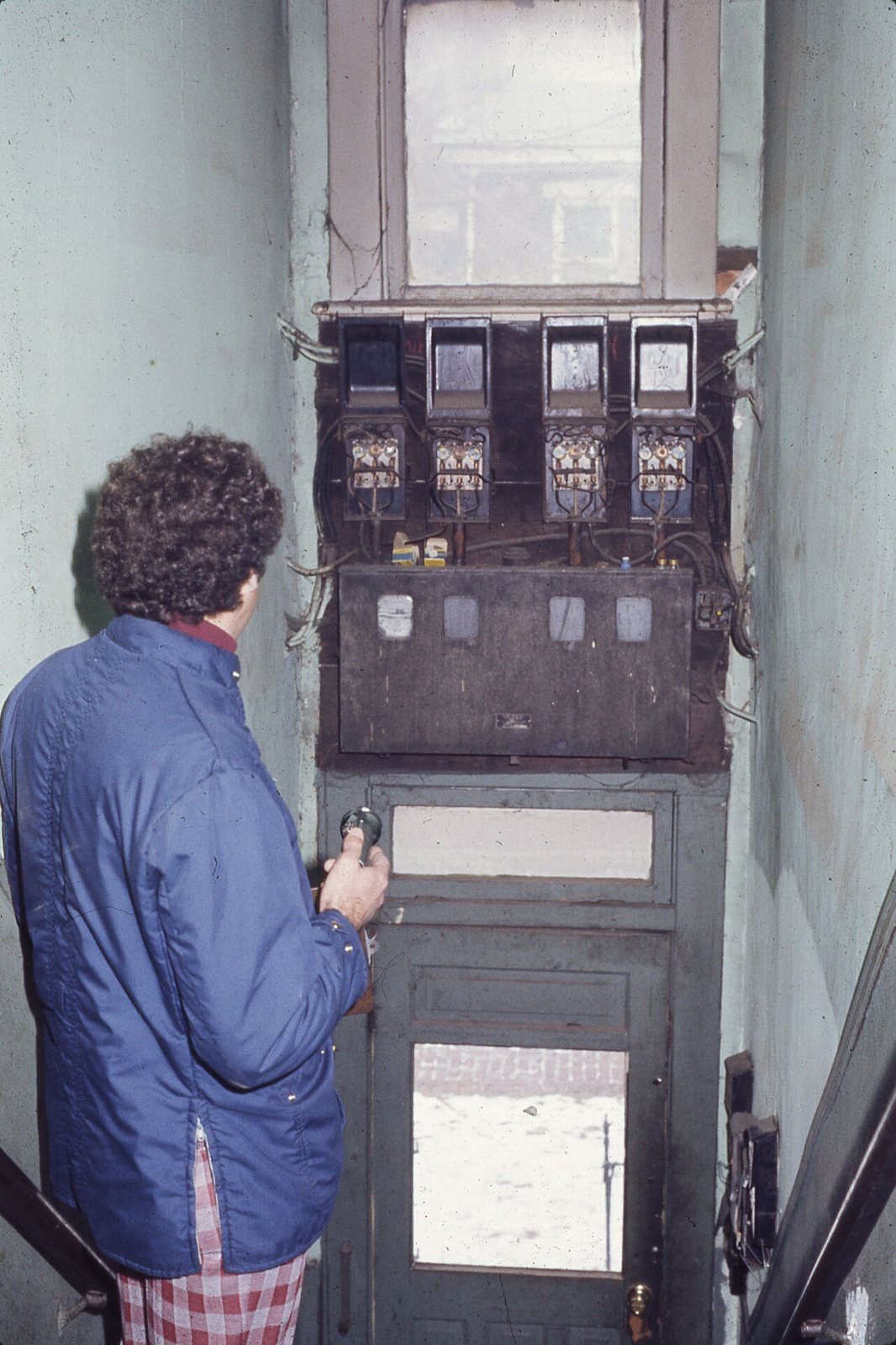
David E. Lucas, public domain, via Wikimedia Commons
The inspector arrives with a flashlight, a ladder and a moisture meter, spends a few hours crawling through your future house, and a day or two later you get a report that can run to dozens of pages, full of photos of loose railings and missing caulk. It feels thorough. In a lot of ways it is.
But a standard home inspection has limits that many buyers only discover after they've moved in. It's a visual check of the parts of the house the inspector can see and reach safely. It isn't a code inspection or a guarantee. It also skips several of the problems that cost the most to fix.
Knowing where those edges are is worth a lot more than skimming the report for red text. This is written mostly with U.S. buyers in mind, since rules and customs vary a lot from country to country (and, in the U.S., from state to state).
What the inspector actually looks at
Most inspectors in the U.S. work to a published standard of practice, usually the one from the American Society of Home Inspectors (ASHI) or from the International Association of Certified Home Inspectors (InterNACHI). The lists are long, but the main systems are consistent.
Expect the inspector to look at the roof covering, gutters and flashing, the exterior walls, and the grading around the house. Inside, they check the visible structure and foundation, the electrical panel and a sample of outlets, the plumbing fixtures and water heater, the heating and cooling equipment, the attic, insulation and ventilation, windows and doors, and built-in appliances.
The key words are "visible" and "accessible." Inspectors don't move furniture, cut into walls, or lift carpets. If the attic hatch is painted shut or the basement is packed with the seller's boxes, the report will say that area couldn't be inspected, and that's where you should push for a return visit.
The big things a standard inspection leaves out
Several costly problems sit outside the usual scope, and each one has its own specialist test.
The sewer line is the classic example. The pipe running from the house to the street or septic tank is underground, so a general inspector can't see it. Tree roots, cracked clay pipe and sagging sections are common in older neighborhoods. A sewer scope, where a camera is fed down the line, is a separate service.
Radon is another. It's a colorless, odorless radioactive gas that seeps up from the ground, and the U.S. Environmental Protection Agency describes it as the second leading cause of lung cancer after smoking. The EPA recommends testing every home, and the test is usually offered as an add-on.
Termites and other wood-destroying insects often get their own inspection too, and lenders in some areas require one. Mold, asbestos, lead paint, septic systems, wells, pools and chimneys beyond a basic look are also commonly excluded or handled by specialists. Houses built before 1978 come with a federal lead paint disclosure requirement, which tells you something about how common the problem was.
Reading the report without panicking
Every report has a long list of defects, including on brand new houses. That's the job. The trick is sorting them.
I'd split the findings into three piles. The first is safety issues, like missing smoke alarms, an ungrounded outlet near a sink, or a loose stair rail. The second is big-ticket systems near the end of their life, such as an old roof, a furnace past its expected lifespan, or a water heater with rust at the base. Everything else (dripping taps, sticky windows, a cracked tile) goes in the third pile, which is just owning a house.
The first two piles are the ones worth negotiating over. The third is not, unless you enjoy annoying sellers.
Older houses come with their own checklist
Age changes what's worth worrying about. Houses from the early 20th century may still have knob-and-tube wiring, and insurers can be reluctant to cover it. Some homes from the 1960s and 1970s used aluminum branch wiring, which needs proper connections to be safe. Certain older electrical panels, including some Federal Pacific models, are regularly flagged by inspectors and electricians.
Plumbing has its own history. Galvanized steel supply pipes corrode from the inside over decades, and polybutylene pipe, installed widely from the late 1970s into the 1990s, has a poor reputation for failures. If the report mentions any of these, get a quote from a licensed electrician or plumber before your inspection contingency runs out.
Go to the inspection yourself
If you can attend, do. Most inspectors are happy to have the buyer follow along, and you'll learn more in those hours than from the report. You'll find out where the main water shutoff is, how old the furnace is, and which things the inspector thinks are minor, which rarely comes through clearly in writing.
Ask questions. "Would you fix this before winter?" is a fair one. "Should I buy this house?" is not, and a good inspector will politely dodge it.
A short checklist before you book
If you're buying soon, a few steps make the inspection worth more. Check whether your state licenses home inspectors (not all do) and ask which standard of practice the inspector follows. Ask which add-ons they offer, and book a sewer scope and radon test if they're relevant to the house. Make sure your purchase contract has an inspection contingency with enough days to get specialist quotes.
Then read the whole report, not only the summary page. The summary is where the inspector lists the headline items. The fine print is where they explain what they couldn't get to, and in my experience that's the part buyers most often regret skipping.